


Mandelic Acid vs. Salicylic Acid: Which One Is Better for Acne-Prone Skin?
Posted by TREGO PK
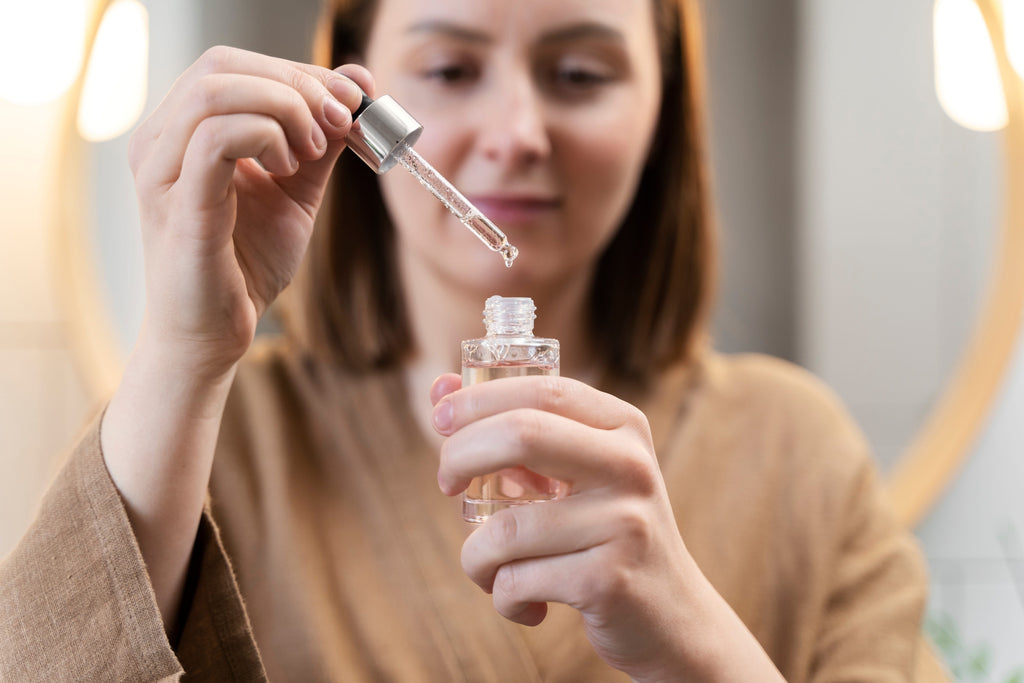
When it comes to acne-prone skin, using a good cleanser alone may not be enough. Choosing the right exfoliating ingredient can help address excess oil, clogged pores, breakouts, and uneven skin texture without unnecessarily irritating the skin.
Two popular exfoliating acids for acne-prone skin are Mandelic Acid and Salicylic Acid. Both can help improve the appearance of acne-prone skin, but they work differently and may be better suited to different skin types and concerns.
Understanding how Mandelic Acid and Salicylic Acid work can help you choose the right ingredient for your skincare needs and build a more effective skincare routine.
Understanding Mandelic Acid and Salicylic Acid
Both Mandelic Acid and Salicylic Acid are chemical exfoliants, but they belong to different acid families and work differently on the skin.
Mandelic Acid
Mandelic Acid is an Alpha Hydroxy Acid (AHA) derived from bitter almonds. It has a larger molecular size than many other AHAs, which means it tends to penetrate the skin more gradually.
Because of its larger molecular structure, Mandelic Acid is often considered a gentler AHA option. It can help exfoliate dead skin cells from the surface while improving the appearance of uneven texture and skin tone.
Salicylic Acid
Salicylic Acid is a Beta Hydroxy Acid (BHA) and is oil-soluble. This allows it to penetrate into pores and help loosen excess oil, dead skin cells, and buildup.
This makes Salicylic Acid particularly useful for oily and acne-prone skin, especially when concerns include clogged pores, blackheads, whiteheads, and frequent breakouts.
The differences between these two acids can help determine which one is more suitable for your individual skin concerns.
Mandelic Acid for Acne-Prone Skin
Although AHAs are often associated with brightening and improving skin texture, Mandelic Acid can also be useful for acne-prone skin.
Mandelic Acid gently exfoliates the skin's surface, helping remove accumulated dead skin cells and improve the appearance of uneven texture. Because it generally penetrates more gradually than smaller-molecule AHAs, it may be a suitable option for people who prefer a gentler exfoliating approach.
It can be particularly useful when acne concerns are accompanied by uneven skin tone, rough texture, or the appearance of post-acne marks.
For those looking for a cleanser containing Mandelic Acid, a Mandelic Acid Face Wash can be incorporated into a skincare routine as part of a gentle cleansing and exfoliating approach.
For a leave-on treatment, a Mandelic Acid Serum can also be considered to help improve the appearance of uneven skin tone, rough texture, and post-acne marks.
Why Salicylic Acid Is a Go-To Ingredient for Breakouts
Salicylic Acid is widely used in skincare products formulated for oily and acne-prone skin. Because it is oil-soluble, it can penetrate into pores and help loosen excess sebum, dead skin cells, and buildup.
This makes it particularly useful for concerns such as:
- Blackheads
- Whiteheads
- Clogged pores
- Excess oil
- Frequent breakouts
- Congested-looking skin
Salicylic Acid is commonly found in acne cleansers, serums, toners, and other targeted skincare products.
A Salicylic Acid Cleanser can help remove excess oil, dirt, and impurities from the skin as part of a daily cleansing routine.
For a leave-on treatment, a Salicylic Acid Serum can be used to target concerns such as clogged pores, excess oil, and recurring breakouts.
Which Acid Is Best for Sensitive Skin?
People with sensitive or reactive skin may be more cautious when introducing exfoliating acids into their routine.
Because Mandelic Acid has a larger molecular structure and penetrates the skin more gradually, it is often considered a gentler exfoliating option than some other AHAs. However, individual skin sensitivity varies, and even gentle exfoliants can cause irritation if overused.
Salicylic Acid can also be suitable for some people with sensitive skin when used at an appropriate strength and frequency. It is best to introduce exfoliating acids gradually and monitor how your skin responds.
If you experience persistent redness, burning, or irritation, reduce use or stop the active ingredient and focus on supporting your skin barrier.
Salicylic Acid vs. Mandelic Acid: What's the Difference?
The biggest difference between Mandelic Acid and Salicylic Acid is how they interact with the skin.
Salicylic Acid is oil-soluble, allowing it to penetrate into pores and help address excess oil and pore congestion. This makes it particularly suitable for oily and acne-prone skin.
Mandelic Acid primarily works on the skin's surface. It helps exfoliate dead skin cells and can improve the appearance of rough texture and uneven skin tone.
In simple terms:
- Mandelic Acid: Surface exfoliation, uneven texture, and uneven-looking skin tone
- Salicylic Acid: Excess oil, clogged pores, blackheads, whiteheads, and breakouts
Neither ingredient is universally better. The right choice depends on your skin type and the concerns you want to address.
What Helps Remove Acne Marks?
Acne can sometimes leave behind visible marks and uneven-looking skin tone even after breakouts have improved.
Mandelic Acid may be useful for people who want to improve the appearance of uneven texture and post-acne marks through gentle surface exfoliation. By helping remove accumulated dead skin cells, it can support a smoother and more even-looking complexion over time.
Salicylic Acid is primarily known for addressing excess oil and clogged pores, which can make it useful for people who continue to experience breakouts. By helping manage congestion, it may also support a clearer-looking complexion.
If post-acne marks are your main concern, a consistent skincare routine focused on gentle exfoliation and daily sun protection is important.
Is It Safe to Use Mandelic Acid with Salicylic Acid?
Mandelic Acid and Salicylic Acid can both be included in a skincare routine, but they should be introduced carefully.
Since both are exfoliating acids, using them too frequently or combining multiple exfoliating products in the same routine may increase the risk of dryness, irritation, or sensitivity.
One approach is to alternate them on different evenings. For example, you could use Mandelic Acid on one evening and Salicylic Acid on another, while allowing recovery days between exfoliation sessions if needed.
Your routine should depend on your skin type, tolerance, and individual skincare goals.
How to Choose the Right Acid for Your Skin
Choosing between Mandelic Acid and Salicylic Acid depends on what you want to address.
Choose Salicylic Acid If You Have:
- Oily skin
- Acne-prone skin
- Blackheads
- Whiteheads
- Clogged pores
- Excess sebum
- Frequent breakouts
Salicylic Acid is generally the more targeted choice for oily and congested skin because of its ability to work within pores.
Choose Mandelic Acid If You Have:
- Sensitive or reactive skin
- Uneven skin texture
- Uneven-looking skin tone
- Mild acne concerns
- Post-acne marks
- Dull-looking skin
Mandelic Acid may be a better option if your primary goal is gentle surface exfoliation and improving the appearance of texture and uneven skin tone.
For some people, both ingredients may have a place in a skincare routine, provided they are introduced gradually and not overused.
Final Thoughts
Mandelic Acid vs. Salicylic Acid isn't about choosing the most powerful ingredient. It's about choosing the ingredient that best matches your skin type and concerns.
Mandelic Acid is a gentle AHA option that primarily provides surface exfoliation and can help improve the appearance of uneven texture, dullness, and post-acne marks. Salicylic Acid is an oil-soluble BHA that is particularly useful for oily and acne-prone skin, clogged pores, blackheads, whiteheads, and excess oil.
If you're looking for a gentle exfoliating cleanser, a Mandelic Acid Face Wash may be a useful addition to your routine. For oily and acne-prone skin, a Salicylic Acid Cleanser and Salicylic Acid Serum can provide targeted care for excess oil and clogged pores.
The key is to introduce active ingredients gradually, avoid over-exfoliation, moisturize regularly, and use sunscreen during the day to support a healthy-looking skin barrier.
